Our Industry
What a mold is, and who makes it.
A short glossary for anyone new to the trade: students, apprentices, or industry-adjacent visitors. Whether you're a skilled artisan or a first-time visitor, finding common ground around the topic is crucial to understanding it.
"Mold" is a loose term for a tool used to press, inject, or extrude materials into a finished product. Despite the division's name, we're not limited to injection molding: we work across every corner of the plastics industry where tooling touches a finished part.
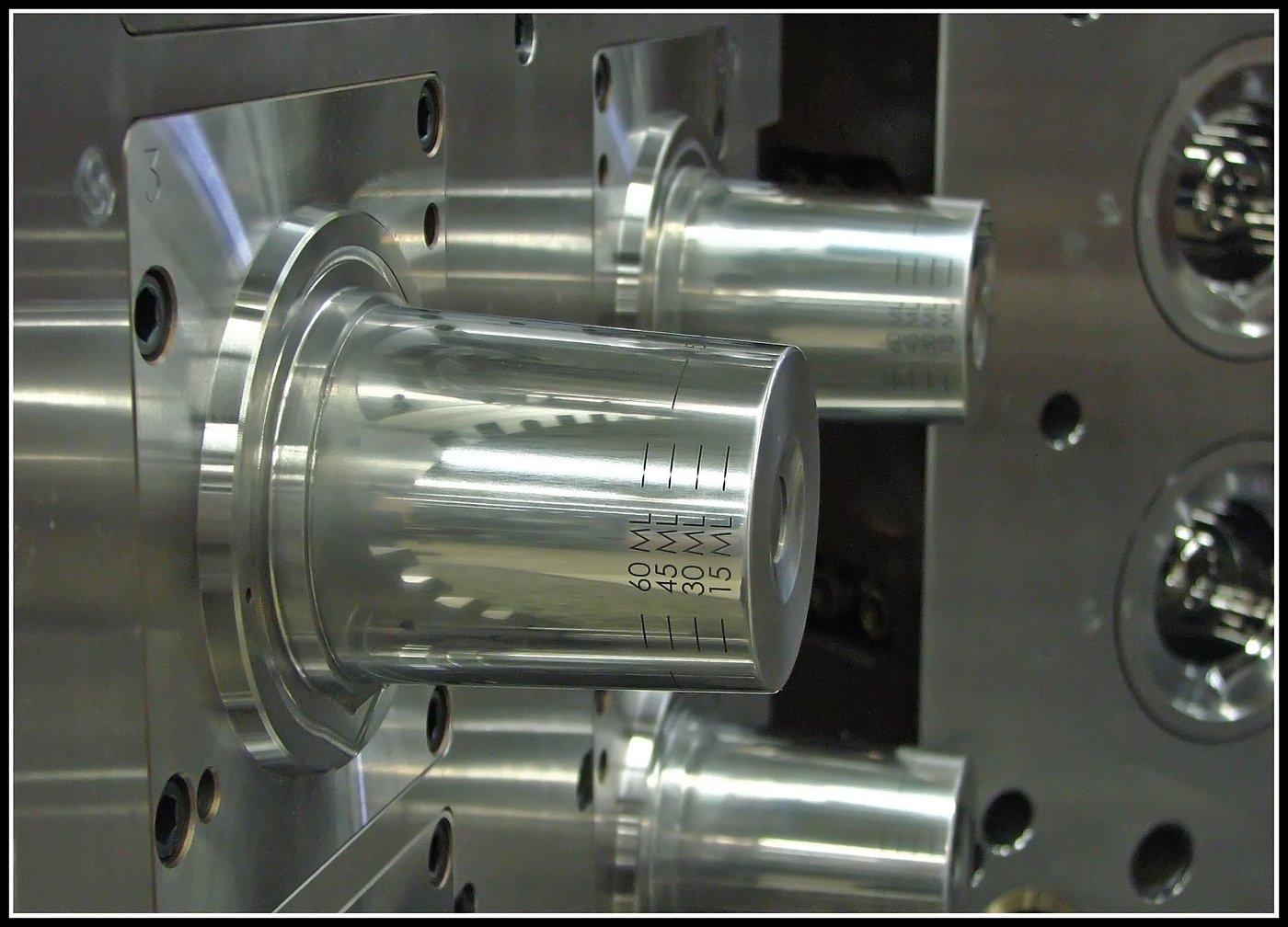
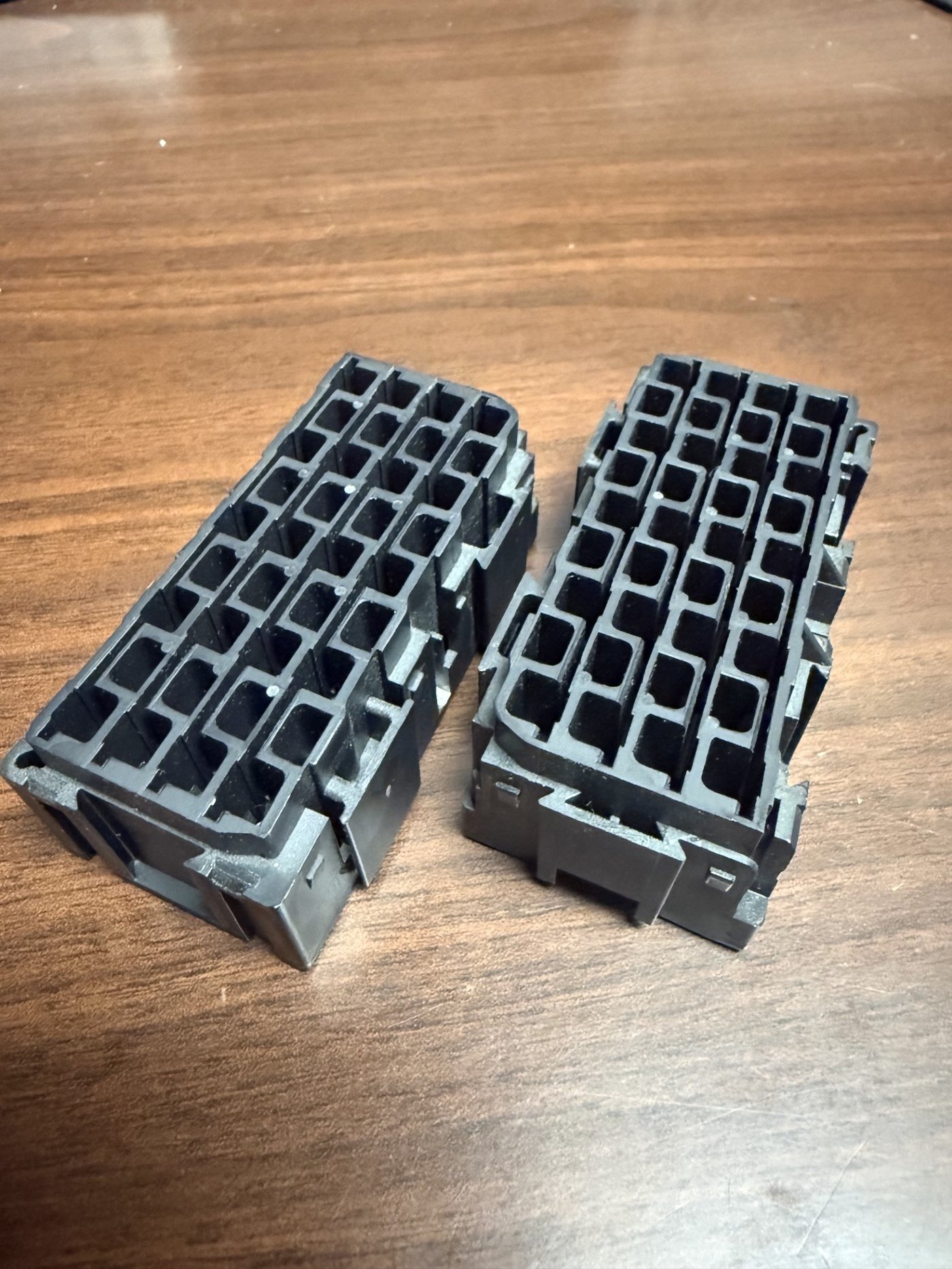
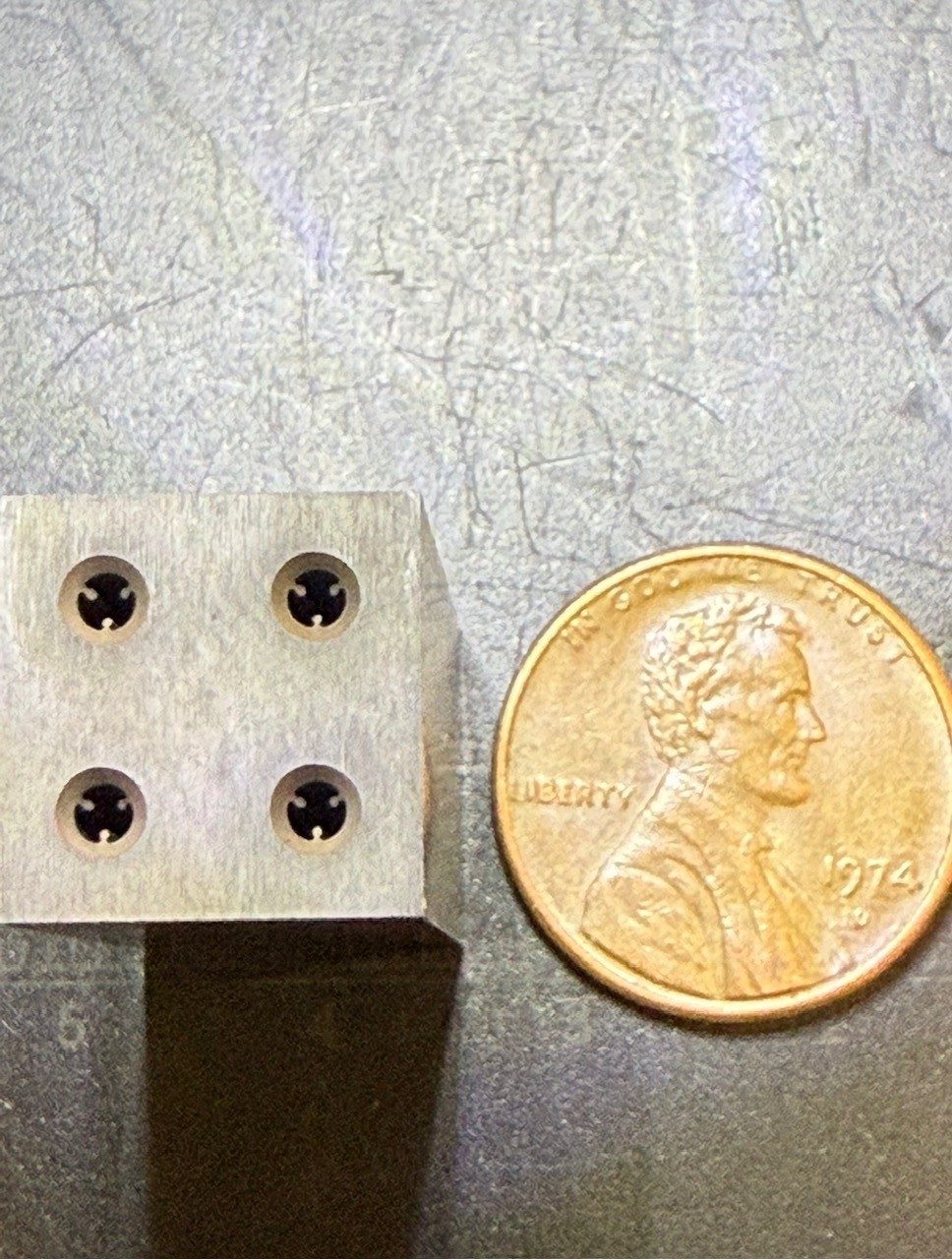
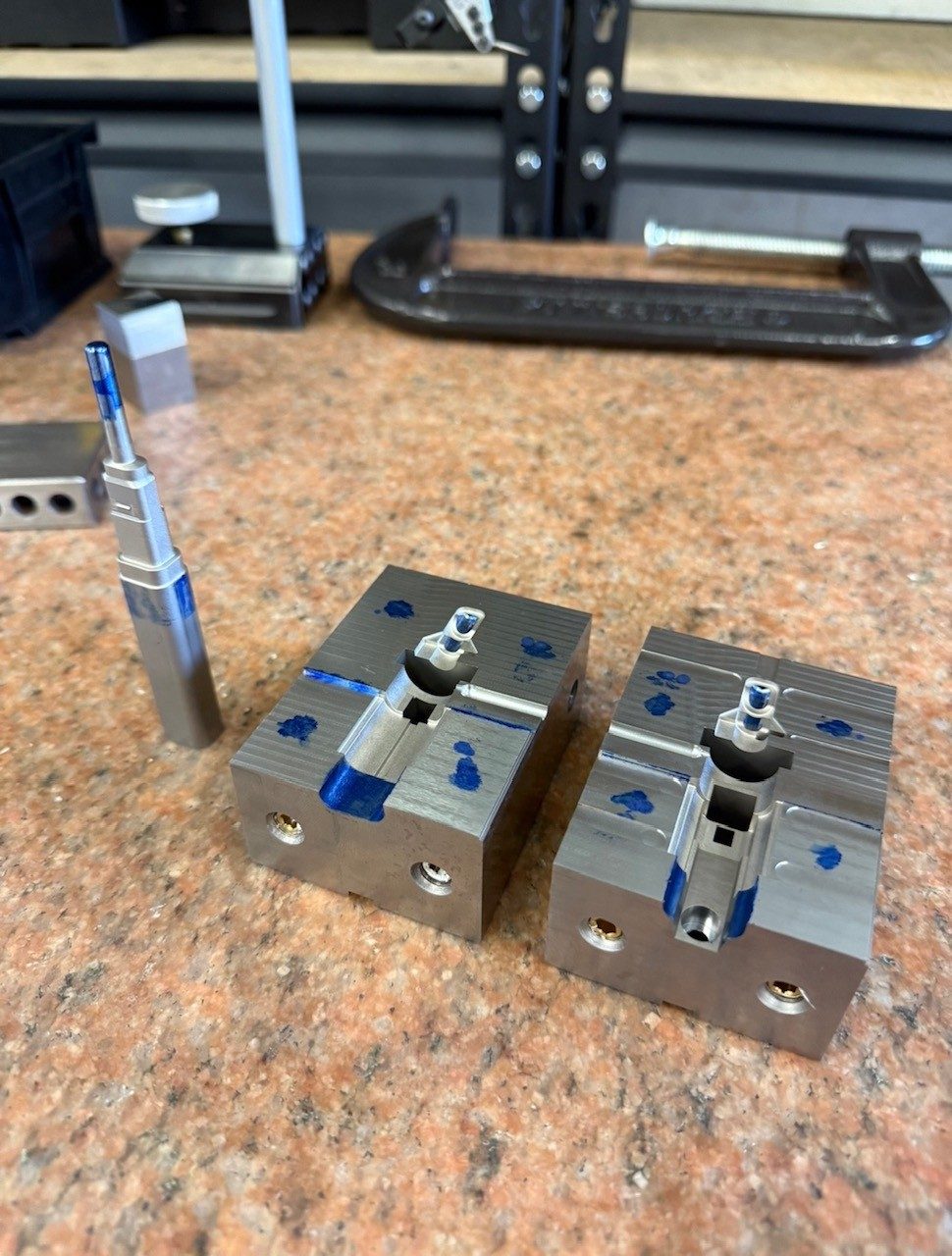
Injection Molds
Forms that molten plastic is injected into to create a finished product.
Blow Molds
Forms that shape molten plastic by introducing an air blast into the center of the material.
Compression Molds
Forms where material is placed in and pressed into final shape using heat and pressure.
Extrusion Dies
Dies that shape linear, continuous products rather than discrete parts.
There are other forming technologies too. Reach out to moldtechnologiesdiv@outlook.com if you have questions.
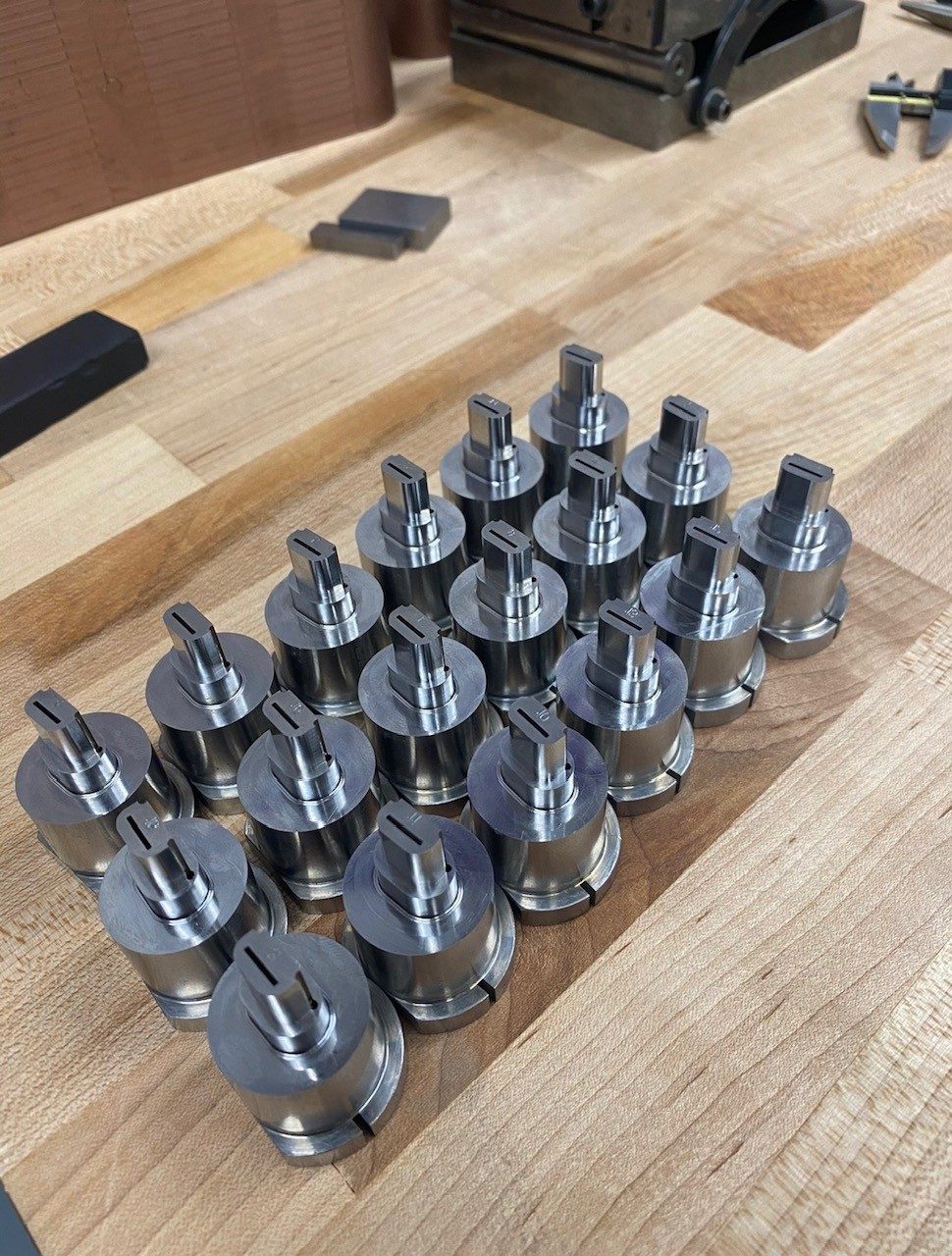
Mold Designer
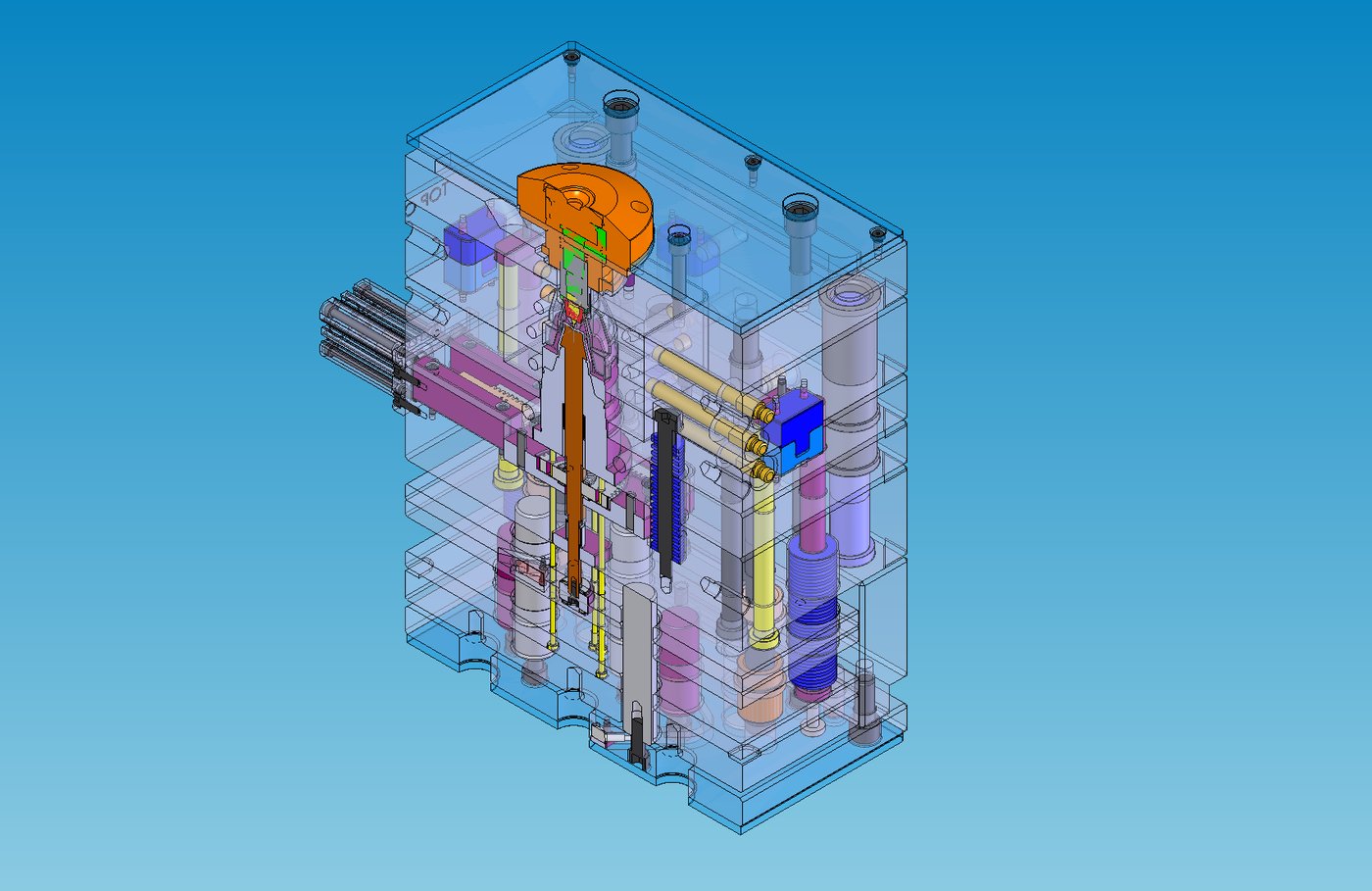
Concept to tooling design
Takes product drawings from concept into finished tooling designs that meet the needs of the product and process, using advanced CAD and engineering skills, whether trained through a degree or a hands-on apprenticeship.
Mold Maker
Design to physical tool
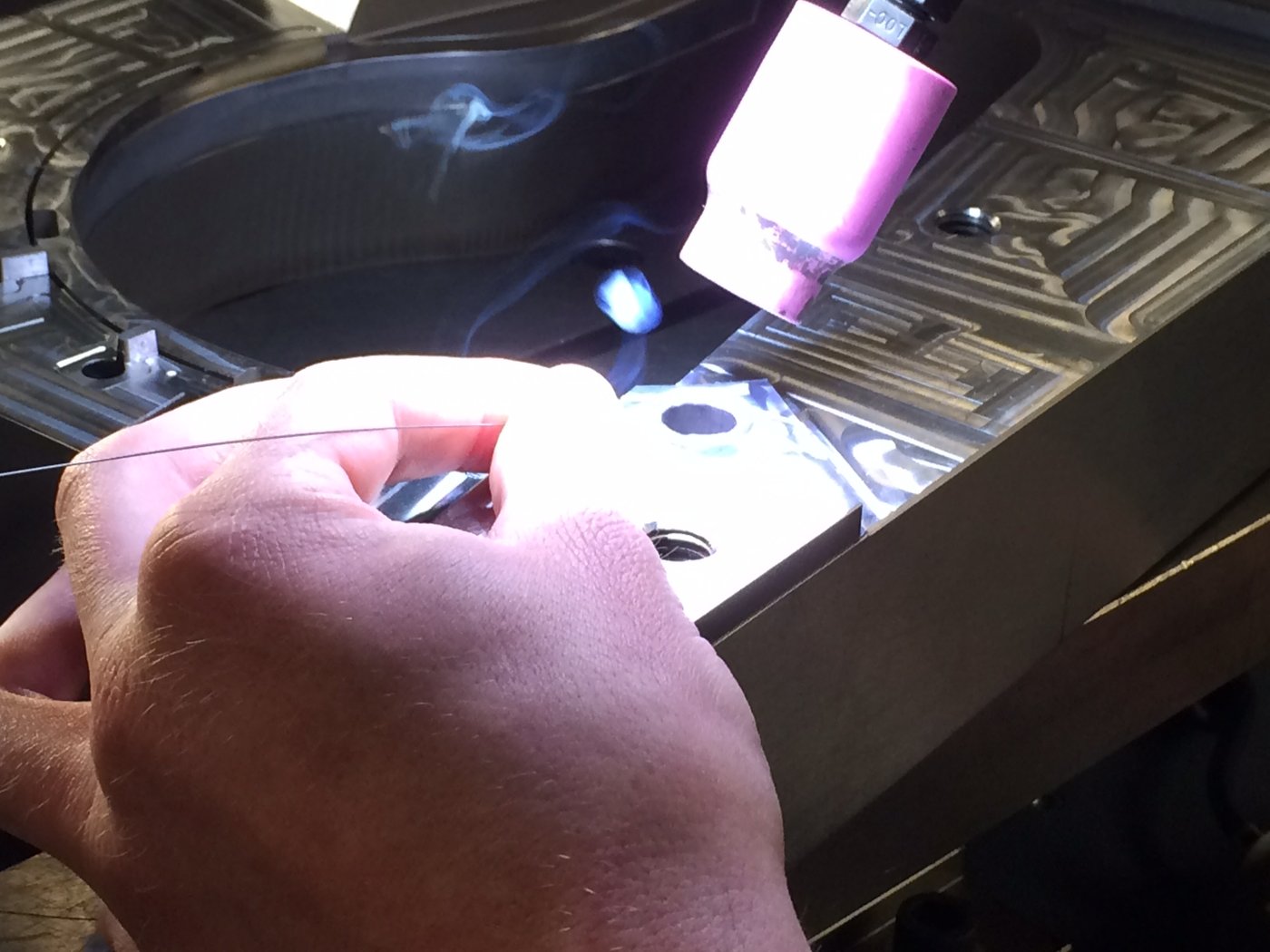
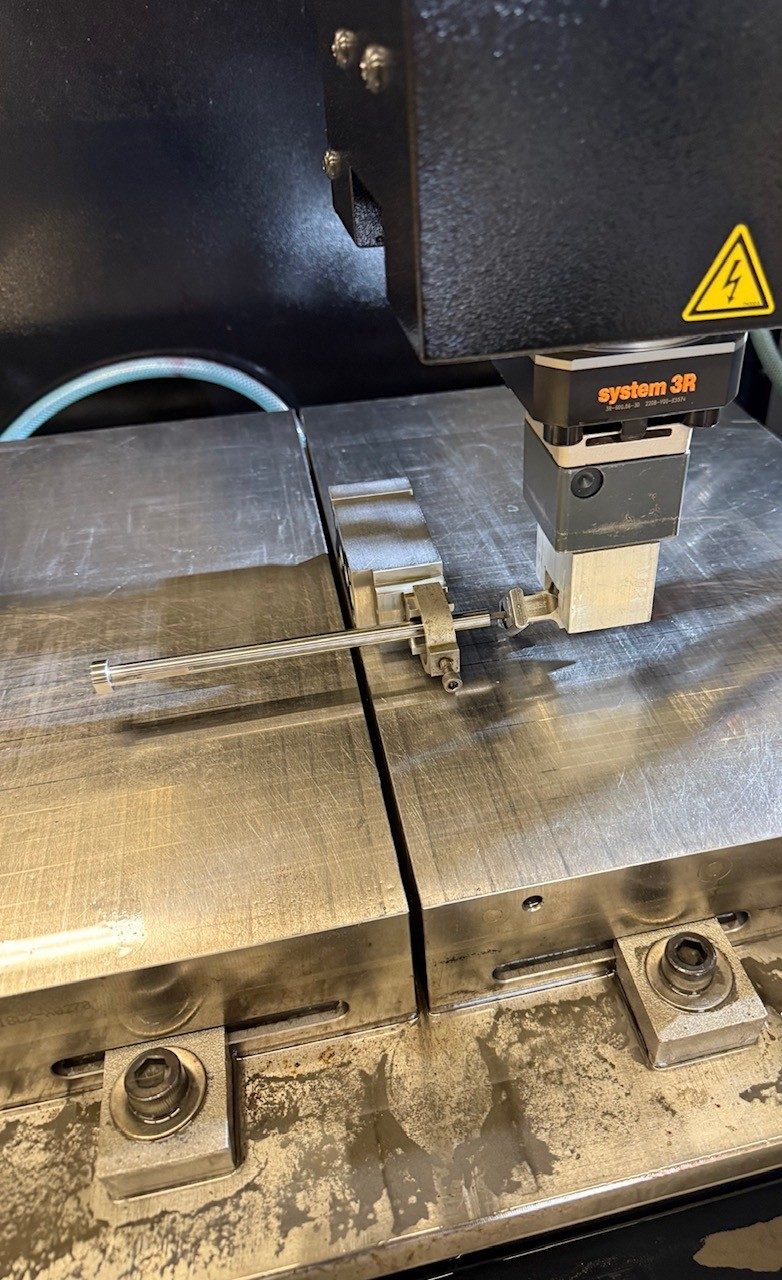
Takes the designer's drawings and turns them into the physical tooling, using techniques like 5-axis and 3-axis CNC machining, surface and cylindrical grinding, EDM and Wire EDM, and additive manufacturing (3D metal printing).
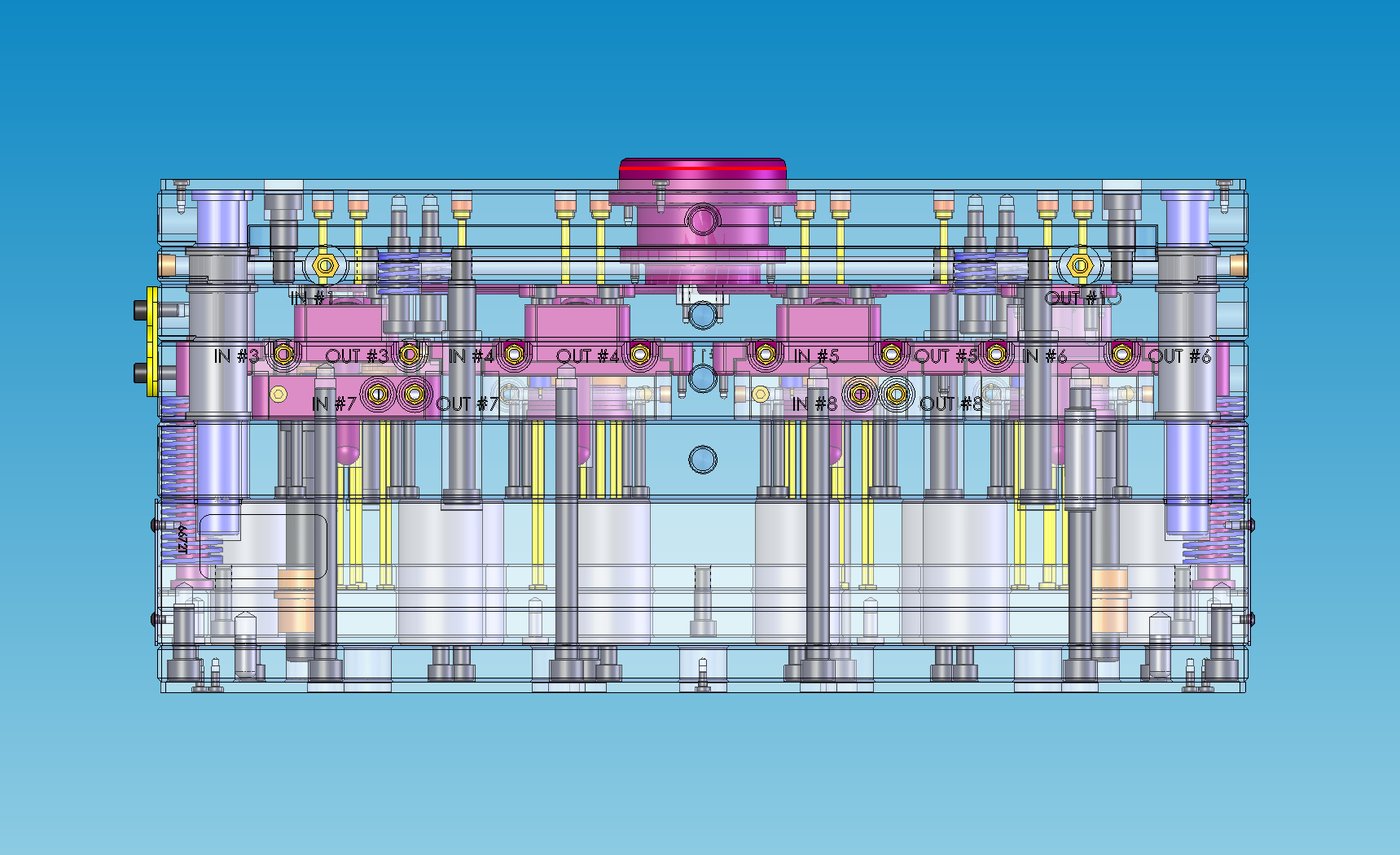
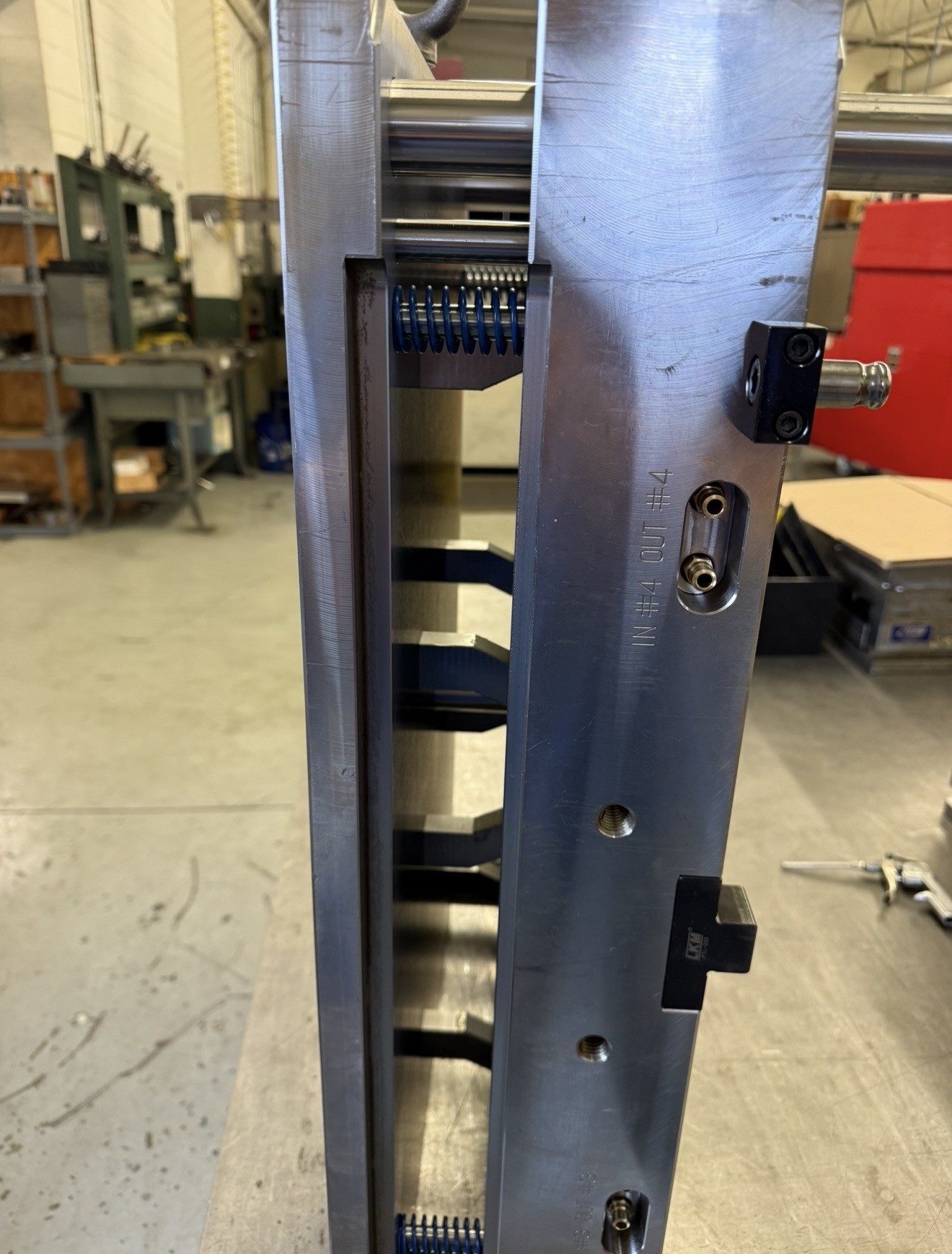
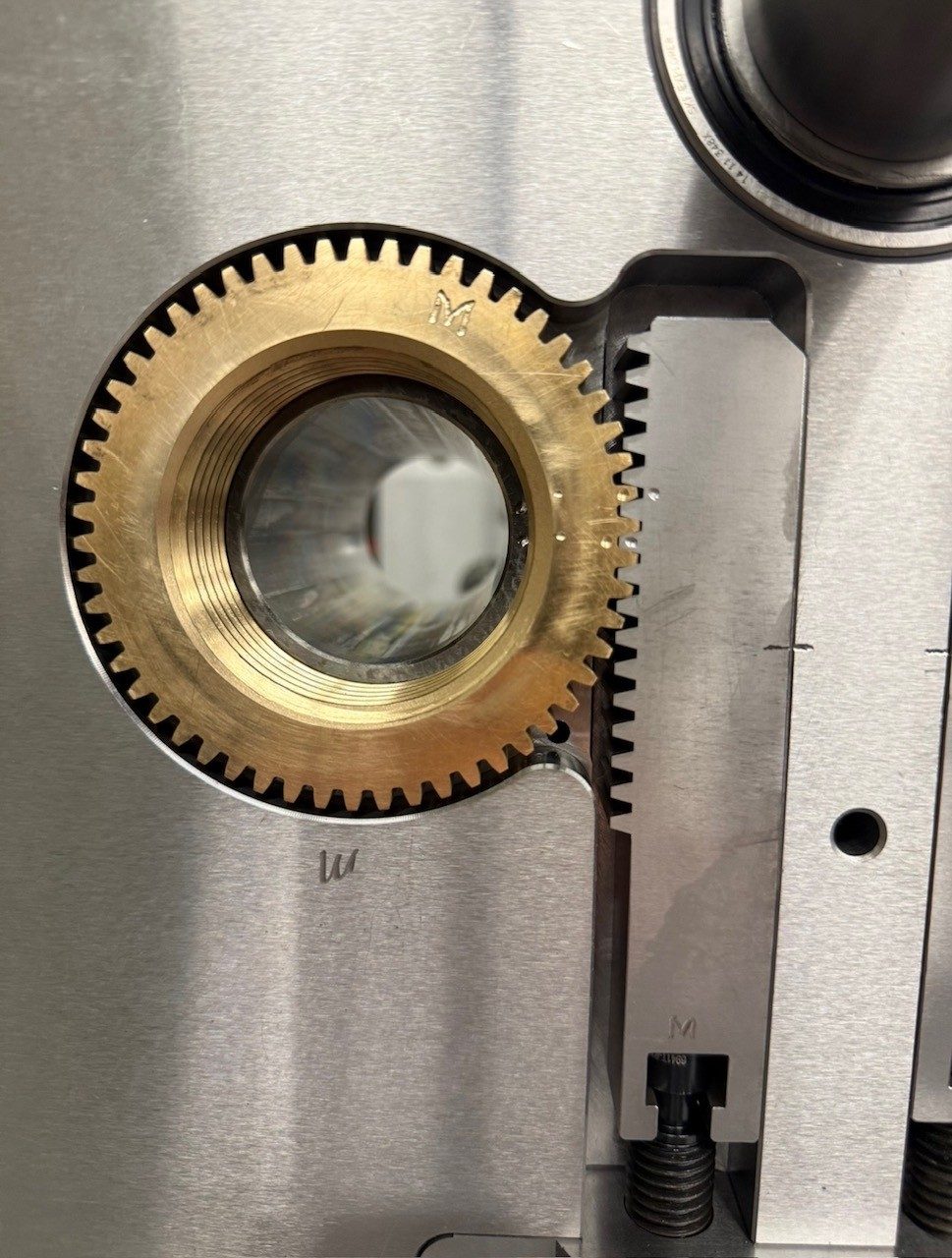
Gone are the days of dimly lit machine shops with toolmakers hunched over a mill or grinder. The mold shop of 2026 is highly automated: robotic CNC machine tools, cutting-edge lasers, Wire EDM, and additive manufacturing printers, often running unattended. Today's mold maker is a skilled artisan combining computer, math, and machining skills to form the most complex tooling the industry has produced to date.
Mold designers work in computer-supported design studios, often using Design-for-Manufacturing approaches: CAD/CAM programs capable of simulating material process conditions, product filling, cooling, and readiness for market release.
Mold design and mold making is, for all purposes, the start of all plastics manufacturing. If a product is designed and never reaches the mold shop, it's just a dream.